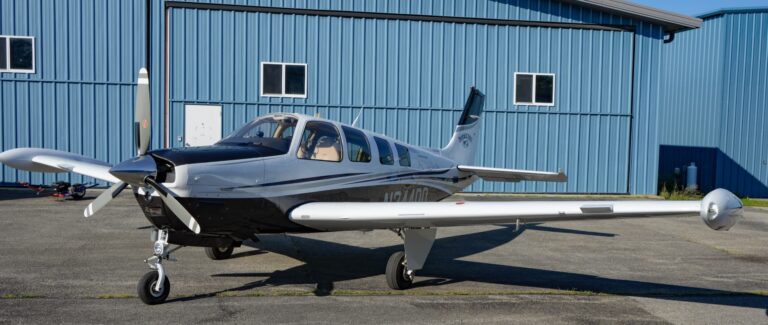




Turboprops
Filter by turboprop to see single-engine utility aircraft and cabin-class twins.

100% Bonus Depreciation Is Here to Stay! Learn more.
100% Bonus Depreciation Is Here to Stay! Learn more.
100% Bonus Depreciation Is Here to Stay! Learn more.
100% Bonus Depreciation Is Here to Stay! Learn more.
100% Bonus Depreciation Is Here to Stay! Learn more.
100% Bonus Depreciation Is Here to Stay! Learn more.
100% Bonus Depreciation Is Here to Stay! Learn more.
100% Bonus Depreciation Is Here to Stay! Learn more.
100% Bonus Depreciation Is Here to Stay! Learn more.
100% Bonus Depreciation Is Here to Stay! Learn more.
Piston singles and twins from AirMart, plus turboprops and light jets through AlphaJets by AirMart, available for immediate purchase. Every listing shows specifications, total time, avionics, and location, and inventory updates in real time as aircraft sell or new listings arrive.
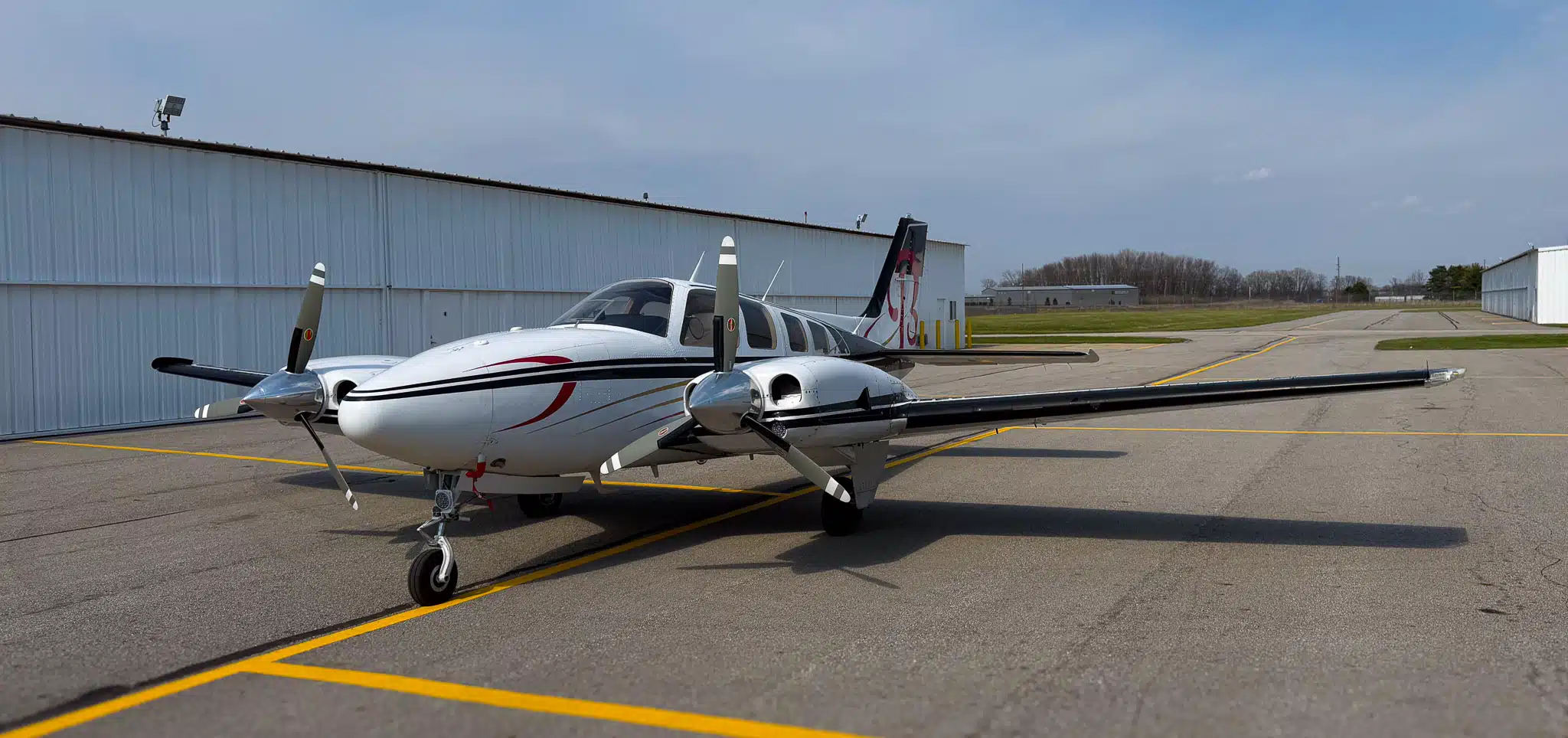
AirMart's current aircraft inventory includes piston aircraft available for immediate purchase, and our AlphaJets by AirMart inventory covers turboprops and light jets. Each listing displays specifications, total time, avionics configuration, and location, whether based at our Lexington, Kentucky facility or held by sellers nationwide. Inventory updates in real time as aircraft sell or new listings arrive, so the options you see today reflect what's actually available now.
Categories organize aircraft by type rather than by every make and model. Each category displays passenger capacity, range, and performance thresholds so you can match aircraft to your mission profile before you contact us.
Filter by turboprop to see single-engine utility aircraft and cabin-class twins.
Light jets include entry-level models and mid-size business jets.
Pistons range from training aircraft to high-performance singles and multi-engine models.

Location matters when you're ready to inspect an aircraft. Some listings are at our Lexington base; others are located where the seller operates. AirMart coordinates pre-purchase inspections and delivery logistics nationwide, so an aircraft listed in California or Florida reaches you with the same support as one already in Kentucky.
Saved searches hold your filters (aircraft type, budget range, avionics requirements) and notify you when new inventory matches your criteria. This matters when you're tracking a specific model or waiting for the right combination of airframe time, equipment, and price to appear.
Listings shown were available as of October 2026. Aircraft sell quickly, so check all aircraft for sale for current availability and pricing.

Narrowing a full inventory of aircraft listings to the one that fits your operation requires answering four questions before you call: how many people fly with you, how far you need to go, what runways you'll use, and what you can afford to operate.
These criteria eliminate entire categories. A six-seat cabin requirement removes single-engine pistons from consideration; a 1,200-nautical-mile range cuts light jets that top out at 800; a 3,000-foot home runway disqualifies jets that need 5,000. Start with mission, not with what you think you want to fly.
Passenger count and cabin configuration set the lower boundary. An owner flying solo with occasional business partners fits a four-seat single-engine aircraft; a family of five plus luggage requires six seats and a real baggage compartment. Club seating, a private lavatory, a galley: these are not upgrades, they are requirements that move you from a turboprop to a midsize jet.
Range and fuel reserves determine aircraft class more than any other factor. Calculate your most common city pair, add 200 nautical miles for weather, and filter by that number. A 400-nautical-mile regional mission, such as Lexington to Chicago or within the Southeast, fits a piston twin or a turboprop. A 1,000-mile transcontinental leg requires a light jet with reserves; 2,500 miles nonstop means a midsize or super-midsize jet.
Runway requirements matter more in the South and Mountain West than on either coast. A turboprop like a King Air needs 3,000 feet; a light jet typically requires 4,000–5,000 depending on elevation and temperature. If your home airport has a 3,200-foot runway, you have just filtered out half the jet inventory. Performance charts show balanced field length, the runway distance required to accelerate, abort at decision speed, and stop.
Operating costs include more than fuel. Turbine aircraft require hourly inspections and overhauls tied to a maintenance schedule you cannot defer. A hot-section inspection on a turboprop engine runs $80,000–$150,000 depending on model and condition. Piston engines cost less per event but burn more fuel per nautical mile. Insurance, hangar rent, annual inspections, and avionics updates apply to everything that flies.
AirMart's Lexington team works through these filters with prospective buyers daily. Call with your mission profile (passenger count, typical routes, home airport, and budget) and we show you what fits within current inventory, rather than what the market offers in the abstract.
Most aircraft buyers finance a portion of the purchase price rather than paying cash outright.
Interest rates reflect the fact that aircraft are specialized assets. Your AirMart representative coordinates with lenders who specialize in aircraft financing, helping you compare options and understand how loan terms affect your total ownership cost.
Between an accepted offer and closing, the aircraft undergoes a pre-purchase inspection: a comprehensive technical evaluation conducted by mechanics with expertise in the specific make and model.
The findings determine whether the transaction:
AirMart coordinates inspection scheduling, reviews findings with you, and advises on what constitutes a normal wear item versus a material defect. The goal is not a perfect aircraft (most pre-owned planes have deferred maintenance or approaching overhauls) but full transparency about what you're buying and what it will cost to bring the aircraft to your operational standards.
An aircraft purchase involves coordination the seller typically cannot manage alone.
Pre-buy inspections require scheduling access to the aircraft, arranging examiner availability, and interpreting findings that may span structural concerns, regulatory compliance, and systems performance. A broker handles that sequence: coordinating the inspector's arrival, reviewing the report with you, and determining whether a finding warrants negotiation, repair before closing, or walking away.
Paperwork follows FAA registration requirements, lien searches, bill of sale procedures, and escrow protocols that most buyers encounter once. The broker ensures documents clear title, satisfy regulatory filing deadlines, and protect your position if issues surface after the offer.
Negotiation benefits from representation. When an inspection reveals issues, the broker determines whether the finding warrants negotiation, repair before closing, or moving to another aircraft. They know what similar aircraft have sold for recently, what inspection findings typically justify in price reduction, and when to advise moving to another option. That knowledge keeps you from overpaying for problems or abandoning a deal over routine findings.
AirMart's role is coordination and advocacy: matching you with the right aircraft, managing the transaction process, and ensuring you close on an asset that meets the mission profile and condition you agreed to pay for.


No, you don't need a pilot's license to purchase an aircraft. Ownership and operation are separate. Many owners hire professional pilots or join a shared-ownership arrangement where flight crew is included. If you plan to fly the aircraft yourself, you'll need the appropriate license and type rating for that specific model before you can act as pilot in command.
Most aircraft transactions close in 30 to 60 days from accepted offer to delivery. The timeline depends on pre-purchase inspection scheduling, how quickly discrepancies are resolved, and whether financing is involved. Cash purchases with clean inspections can close faster; complex pre-buys or significant airworthiness findings extend the process.
The listing price covers the aircraft itself in as-is condition. It typically does not include sales tax, title transfer fees, or registration costs. Pre-purchase inspection fees, escrow services, and any repairs negotiated after inspection are separate expenses. Your broker coordinates the breakdown so you understand total acquisition cost before closing.
Buy if you plan to use the aircraft frequently over several years and want full control over modifications, maintenance schedules, and eventual resale. Lease if your mission is time-limited, you want predictable monthly costs without residual value risk, or you're testing a model before committing to ownership. Operating more than 200 hours annually usually favors ownership; below that threshold, leasing or fractional programs often make more financial sense.
Aircraft prices vary widely depending on type, age, and condition. Operating costs (fuel, maintenance, hangar, insurance) add to the initial purchase price and differ by aircraft category. A high-time older model may have a lower acquisition cost but higher maintenance; newer aircraft often carry premium pricing but come with updated avionics and warranty coverage. Contact AirMart with your mission profile and we'll help you understand the total ownership picture for models that fit your needs.
Insurance premiums depend on aircraft value, pilot experience, intended use, and coverage limits. Liability-only policies for a single-engine piston may run $1,200 to $2,500 annually; hull coverage on a turboprop or light jet can reach $15,000 to $40,000+ per year. Insurers assess your total flight hours, time in type, and whether you'll carry passengers for hire. Your broker can connect you with aviation underwriters who quote based on your specific profile.
Request the aircraft logbooks and review entries for major inspections, ADs (airworthiness directives) complied with, and any damage history. Run the tail number through the FAA registry to confirm ownership and check for liens. A pre-purchase inspection includes reviewing these records in detail. The mechanic identifies missing entries, deferred maintenance, or discrepancies between logged work and the aircraft's actual condition. AirMart coordinates this process so you have a complete picture before finalizing the purchase.
Tell us your passenger count, typical routes, home airport, and budget. Our Lexington team will match you with aircraft in current inventory and manage the inspection, financing, and closing from offer to delivery.