100% Bonus Depreciation Is Here to Stay! Learn more.
100% Bonus Depreciation Is Here to Stay! Learn more.
100% Bonus Depreciation Is Here to Stay! Learn more.
100% Bonus Depreciation Is Here to Stay! Learn more.
100% Bonus Depreciation Is Here to Stay! Learn more.
100% Bonus Depreciation Is Here to Stay! Learn more.
100% Bonus Depreciation Is Here to Stay! Learn more.
100% Bonus Depreciation Is Here to Stay! Learn more.
100% Bonus Depreciation Is Here to Stay! Learn more.
100% Bonus Depreciation Is Here to Stay! Learn more.
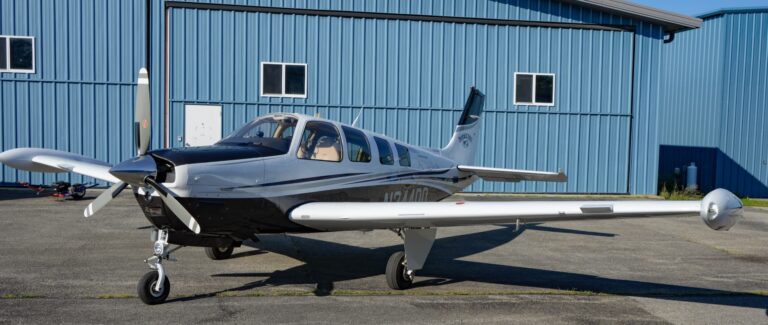
Single-engine, four-seat performance with a 120-knot cruise, simple fixed gear, and a panel that ranges from honest analog to full Garmin G1000. Every Archer in our inventory is logbook-verified, AD-checked, and backed by transparent condition reporting.
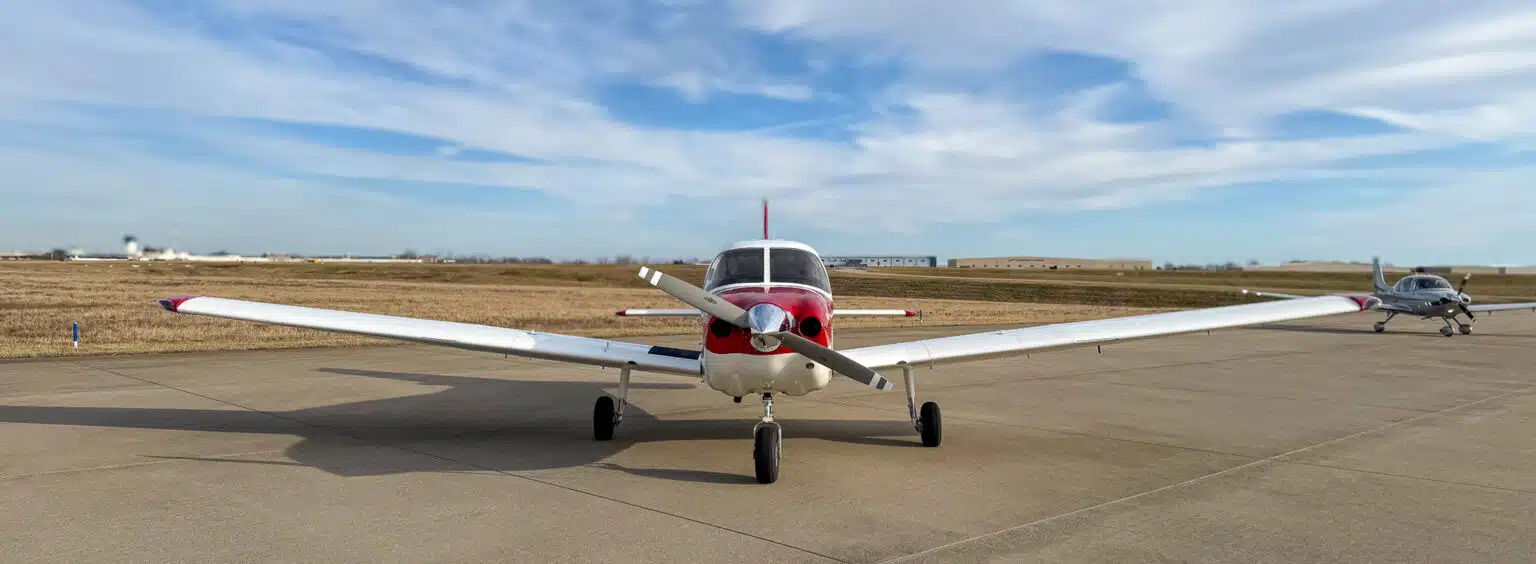
Fixed gear, a 2,000-hour Lycoming, and handling that flight schools have trusted for fifty years. The Archer isn't fast — it's dependable, and that's exactly the point.
Fixed landing gear and a 180-hp Lycoming O-360 mean no retractable gear or complex engine to maintain. Underwriters favor the Archer's stall behavior, which usually means lower insurance, especially for newer pilots.
120 knots and 400 nautical miles of range at 9 gallons per hour. A 43-inch cabin is roomier than a Cessna 172, and the low wing handles instrument flying well on a 2,000-foot runway.
Flight schools keep buying low-time Archers, which keeps resale solid. Against a 172 you pick up 5-10 extra knots and a wing loading many pilots prefer in turbulence.
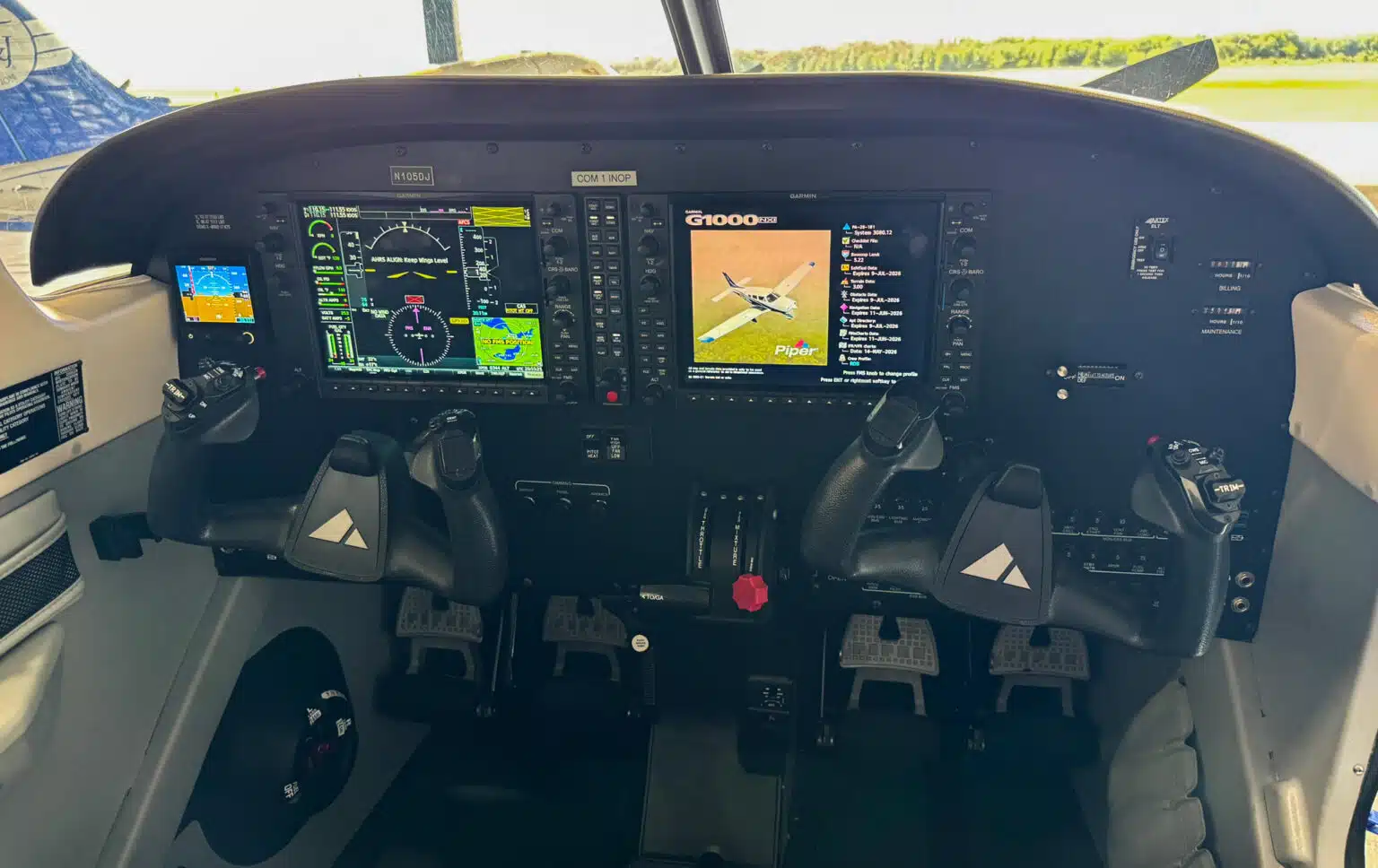
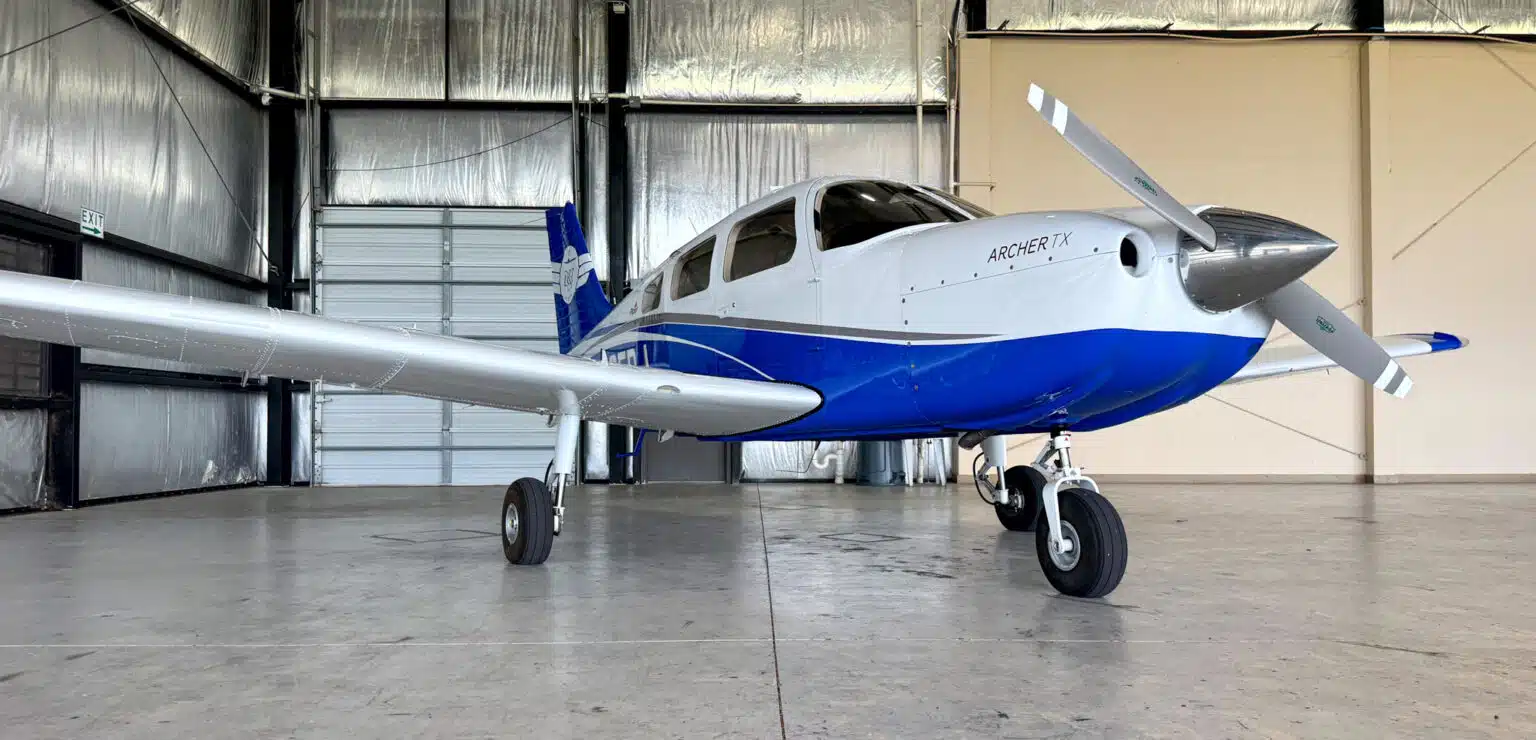
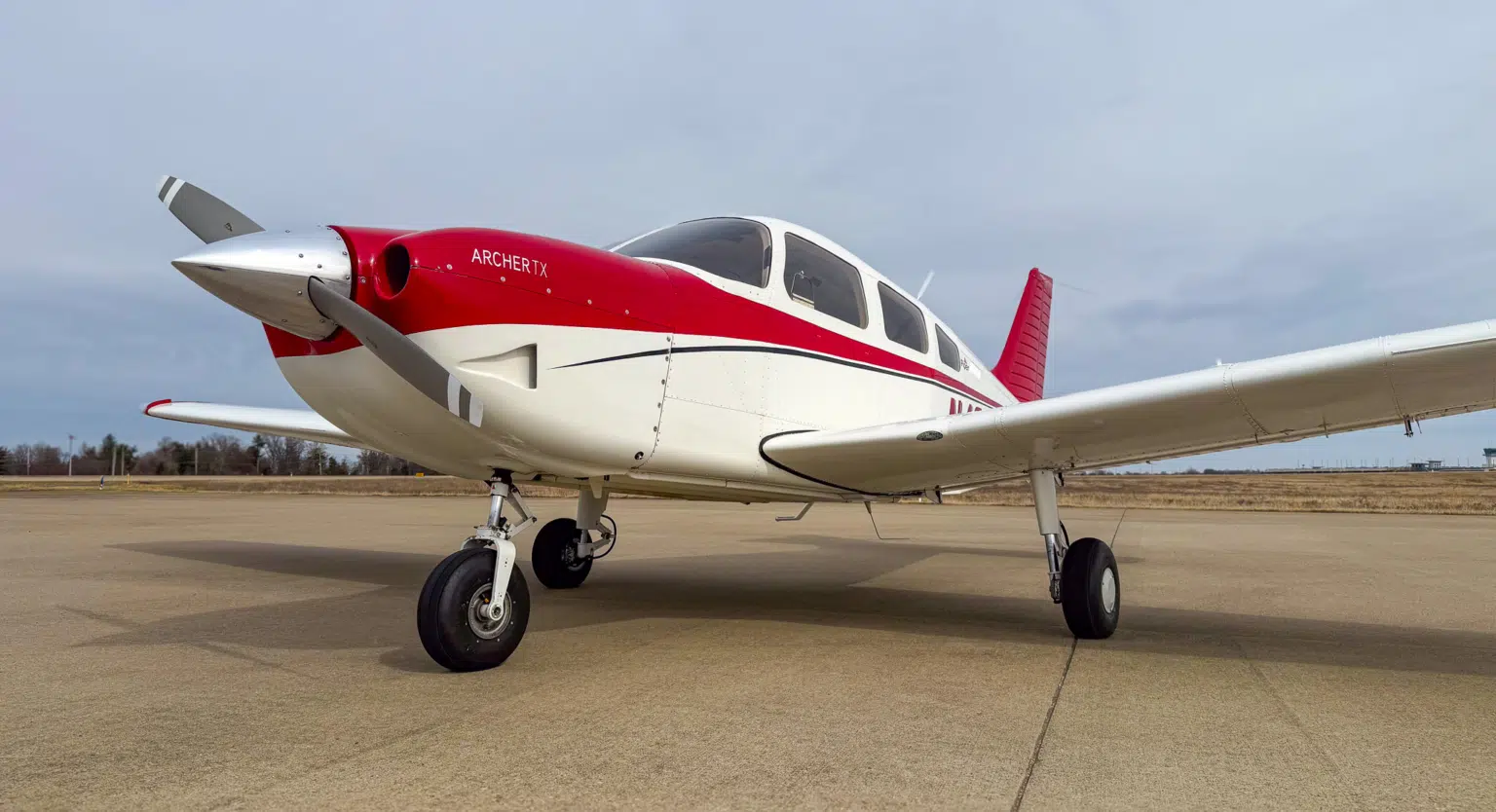
Piper has built the Archer continuously since 1974. The differences between generations come down to avionics and age — not performance.
The longest production run means the widest range of avionics, from basic VFR nav/com to full IFR stacks. The Lycoming O-360-A4M carries a 2,000-hour TBO.
Same cabin, same systems, same performance as the Archer II — what changes is age and avionics, transitioning from analog gauges to Garmin G1000.
Garmin G1000 NXi avionics, enhanced autopilot, USB charging, and LED lighting on a zero-time airframe. Performance is unchanged — this is a comfort and systems upgrade.
Eight things our team checks on every Archer we recommend — and what you should check before you make an offer on your own.
Personal aircraft typically average 50-100 hours a year. Higher totals aren't automatically bad — flight school aircraft get frequent inspections, while low-hour aircraft that sat idle can develop corrosion.
The O-360-A4M carries a 2,000-hour TBO. A major overhaul runs $40,000-$50,000, so high-time engines (1,600+ SMOH) should be reflected in the asking price.
Garmin G1000 aircraft sit at the top of the used market. Retrofitted glass using GTN 750/650 or Aspen displays runs $50,000-$80,000 less than factory-equipped G1000 aircraft.
You need three complete logbooks — airframe, engine, propeller — with every annual, AD compliance entry, and repair documented and signed.
Search the FAA accident database by N-number. Properly repaired damage doesn't affect airworthiness, but it does affect resale — price accordingly.
A fresh annual means you fly today and won't face that cost for nearly a year. A long list of deferred items on the last report is a warning sign.
Owners add equipment over the years without updating weight and balance. Request a current calculation and run your real mission numbers before committing.
Never skip it. An independent A&P with Piper experience, budgeted at $1,500-$3,000, will find what the last annual may have missed.
Plan on $15,000-$20,000 annually at 100 hours of flying. Here's where it goes.
20% down ($30,000), financed over 15 years at 7.5% APR through an aviation lender like AOPA Finance or Dorr Aviation Credit.
A 10-year term runs about $1,485/month but saves roughly $15,000 in total interest over the life of the loan.
Archer II, Archer III, and select Archer LX models with 3,000-6,000 total hours, 800-1,400 SMOH, and avionics from basic VFR to full G1000 glass. Updated weekly across Kentucky, Tennessee, Ohio, Indiana, and the Midwest and Southeast.
Tell us your mission, budget, and timeline. We'll set up alerts for matching aircraft and walk you through logbooks, AD compliance, and financing.
(859) 233-9399