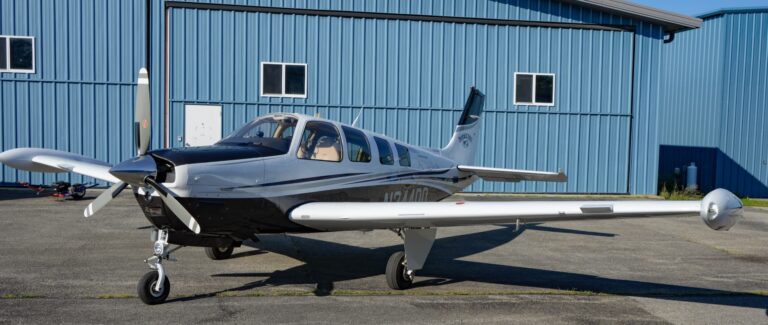




1960s Airframe, 1960s Standards
The 172G offers the fundamental 172 design characteristics — four-seat configuration, single-engine reliability, fixed-wing simplicity — within the maintenance and equipment context of a 1960s-era airframe.

100% Bonus Depreciation Is Here to Stay! Learn more.
100% Bonus Depreciation Is Here to Stay! Learn more.
100% Bonus Depreciation Is Here to Stay! Learn more.
100% Bonus Depreciation Is Here to Stay! Learn more.
100% Bonus Depreciation Is Here to Stay! Learn more.
100% Bonus Depreciation Is Here to Stay! Learn more.
100% Bonus Depreciation Is Here to Stay! Learn more.
100% Bonus Depreciation Is Here to Stay! Learn more.
100% Bonus Depreciation Is Here to Stay! Learn more.
100% Bonus Depreciation Is Here to Stay! Learn more.
Pre-Owned Inventory · Lexington, KY
AirMart brokers Cessna Skyhawks from Lexington Bluegrass Airport in Kentucky and sells nationwide. The 172G is a mid-1960s variant of the most successful mass-produced aircraft in history, and every airframe from that era earns a close look before you buy.
The Airplane
The Cessna 172 Skyhawk is a four-seat, single-engine, fixed-wing aircraft first flown and built in 1955. Still in production, it is the most successful mass-produced aircraft in history — more Cessna 172s have been built than any other aircraft. The 172G is a specific production variant from the mid-1960s, part of the evolution that took the original straight-tail design through successive improvements in structure, powerplant, and equipment.
Compare it against the rest of our Cessna inventory before you commit.

On the Market Now
Why The G
The 172G sits between the earlier configurations and the standardized designs that emerged in the 1970s. A 1965 172G with 4,085 total time airframe hours needs evaluation of its own maintenance history, not a generic 172 checklist.
The 172G offers the fundamental 172 design characteristics — four-seat configuration, single-engine reliability, fixed-wing simplicity — within the maintenance and equipment context of a 1960s-era airframe.
Panel layouts, instrument configurations, and equipment installations reflect mid-1960s standards rather than the standardized avionics found in later production runs, unless upgrades were performed and documented in the logbooks.
Corrosion-prone areas typical of 1960s construction, older electrical systems, and panel configurations that predate modern avionics standards all require assessment by someone familiar with this generation of aircraft.
A buyer considering a 172G needs to evaluate what they are acquiring: an airframe with decades of operational history, maintenance decisions made by previous owners, and equipment that reflects its original production era unless upgrades changed those characteristics.
Numbers
Model-year figures tell you what the variant was certified to do when new. They do not tell you what a sixty-year-old airframe can safely accomplish today. Both matter, in that order.
Configuration Reference
| Seating | Four seats |
|---|---|
| Powerplant | Continental O-300-D |
| Propeller | Fixed pitch |
| Fuel | 100LL avgas |
| Landing gear | Fixed tricycle |
| Reference airframe | 1965 172G, 4,085 hrs |
Verify every figure against the aircraft's own data plate and current weight and balance before making an offer.
The Continental engine series used in 172 models of this era runs on 100LL aviation fuel and drives a fixed-pitch propeller. Cruise speed, range, and climb performance all depend on current weight, density altitude, and how the powerplant has been maintained through its service life.
Useful load varies significantly between individual 172G airframes. Installed avionics, interior equipment, and modifications accumulated since the 1960s all affect the weight and balance envelope. Two aircraft from the same model year can have meaningfully different payloads depending on their equipment path over five or six decades of service.
An aircraft that's been continuously hangared, regularly flown, and maintained to a consistent standard will perform differently from one of the same year that sat outdoors or went through periods of inactivity. Service history affects both current capabilities and what maintenance the aircraft will need going forward.

Pre-Purchase
Four areas separate a well-kept 172G from an expensive project. Work through them in order, and bring a mechanic who has seen 1960s Cessna structure before.

Begin with the airframe's total time and service history. Request complete logbooks covering airframe, engine, and propeller — gaps in documentation or missing annual inspection sign-offs indicate unresolved maintenance questions that affect both airworthiness and resale value.
Check the lower fuselage around the battery box, wing strut attach points, and the tail cone for corrosion damage. Look beneath the seats and floor panels where moisture accumulates. Wing spar carry-through inspection becomes critical on airframes from this production period.
Evaluate the powerplant and propeller relative to time since overhaul. The Continental O-300 engine and its accessories require thorough compression testing and oil analysis. Document time remaining before recommended TBO and inspect engine mounts, exhaust, and fuel system components for age-related deterioration.
Many 1960s-era aircraft carry original instrumentation or piecemeal upgrades accumulated across multiple ownership periods. Determine whether the installed equipment meets your operational requirements, and budget for upgrades before committing. Panel modifications affect useful load and require proper documentation.
Cost of Ownership
Ownership extends well beyond the purchase price. Four line items shape the annual budget.
Insurance for a 1960s-era single-engine aircraft reflects the airframe's age, pilot experience requirements, and hull value. Insurers typically require higher minimums for older models and may ask for transition training even if you meet the basic hour requirements for the type.
The Cessna 172 line shares many components across model years, and the aircraft's position as the most successful mass-produced aircraft in history means both new-manufacture and serviceable used parts remain accessible. Type-specific components for the G model may require additional sourcing time, but the aircraft is not orphaned.
Annuals follow standard single-engine piston procedures, but total time and calendar age affect what gets examined closely. A 1965 airframe with substantial hours requires more thorough corrosion inspection, control cable evaluation, and structural assessment than a low-time example.
Operating costs follow the single-engine piston profile: fuel burn, oil consumption, reserve funds for engine overhaul, and scheduled maintenance. The 172G's fixed-gear configuration eliminates retraction system maintenance, and the Continental engine uses widely available parts and qualified mechanics.
Inventory
AirMart Aircraft Sales & Brokerage maintains an active inventory of Cessna 172 variants and monitors the market for clients seeking specific models. When a 172G matching your requirements appears, the team calls you.

A Wichita-built Skyhawk, serial 17253939, with a custom metal panel installed in 2022: Aspen E5 primary flight display, Garmin GPS175 WAAS navigator, GTR200 COM, and ADS-B Out. Complete and consecutive logbooks, hangared.
The AirMart team in Lexington, KY tracks aircraft availability across multiple platforms and can discuss specific airframes that meet your mission profile and condition requirements. Finding the right 172G means monitoring several markets and evaluating each airframe's maintenance history and equipment configuration.
Start with the 1965 Cessna 172G Skyhawk N3770L, then widen the search across all aircraft for sale.
What We Handle
Answers
The Cessna 172G was produced in the mid-1960s at Cessna's Wichita, Kansas plant. The 1965 example AirMart currently offers, N3770L, carries serial number 17253939 and 4,085 hours total time on the airframe. Aircraft labeled F172G are Reims-built airframes assembled under license in France, not Wichita production.
AirMart's 1965 Cessna 172G Skyhawk, N3770L, is priced at $94,900. Actual selling prices vary based on total time, avionics upgrades, engine condition, and overall airframe state — factors that differ significantly between individual aircraft even from the same model year. This one carries 4,085 hours total time and a custom panel installed in 2022.
The Cessna 172 line remained in production from 1955 through present day, making it the most successful mass-produced aircraft in history. This production continuity means many components shared across 172 variants remain available, though some 1960s-specific parts may require sourcing through specialty suppliers or overhaul rather than new manufacture.
The 172G carries the swept vertical tail that distinguished later production from earlier straight-tail models, along with equipment configurations typical of mid-1960s aircraft. Later 172 variants brought updated avionics, revised panel layouts, and in some cases structural modifications — but the core airframe design that made the 172 successful remained consistent across production runs.
Focus on corrosion in wing attach points, landing gear assemblies, and control surface hinges — areas where decades of service create vulnerability. Request complete logbooks documenting major repairs, engine overhauls, and compliance with airworthiness directives. A thorough inspection by a mechanic experienced with 1960s Cessna airframes identifies issues specific to this production era.
Contact AirMart at (859) 233-9399 to discuss current 172G availability. The team monitors listings across multiple platforms and can notify you when aircraft matching your requirements become available. You can also review the 1965 Cessna 172G Skyhawk N3770L or browse all aircraft for sale.
AirMart Aircraft Sales & Brokerage
Call the Lexington office and we will walk the logbooks with you, arrange the pre-purchase inspection, and tell you honestly whether the airframe is worth the asking price.