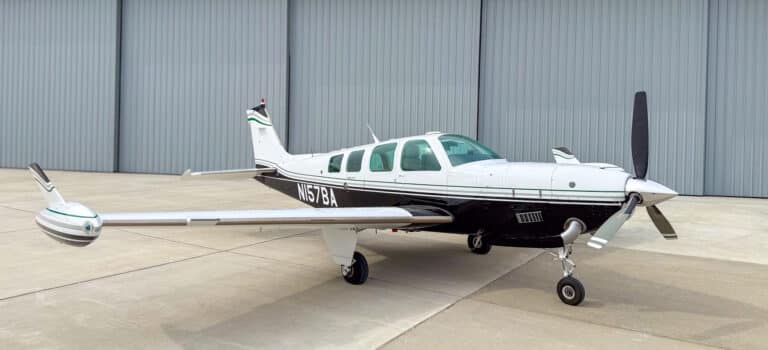
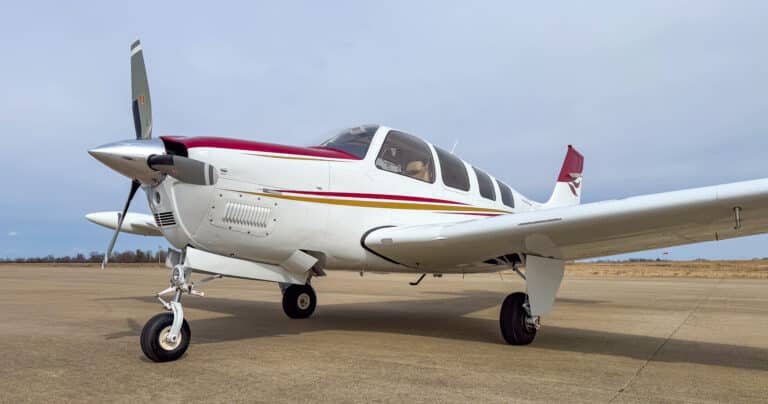
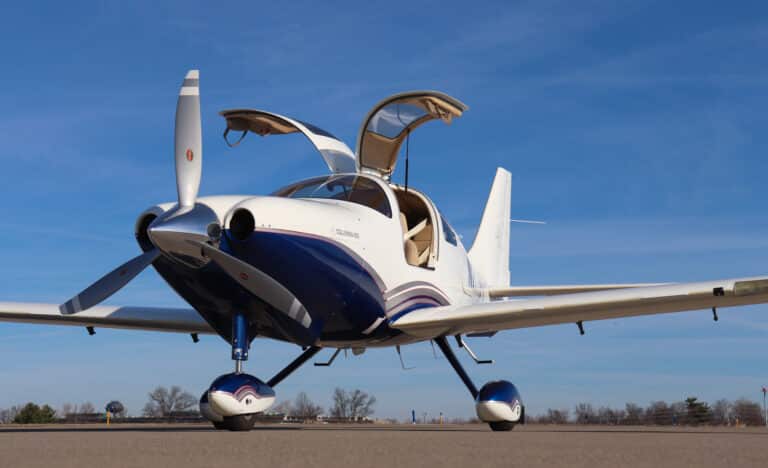
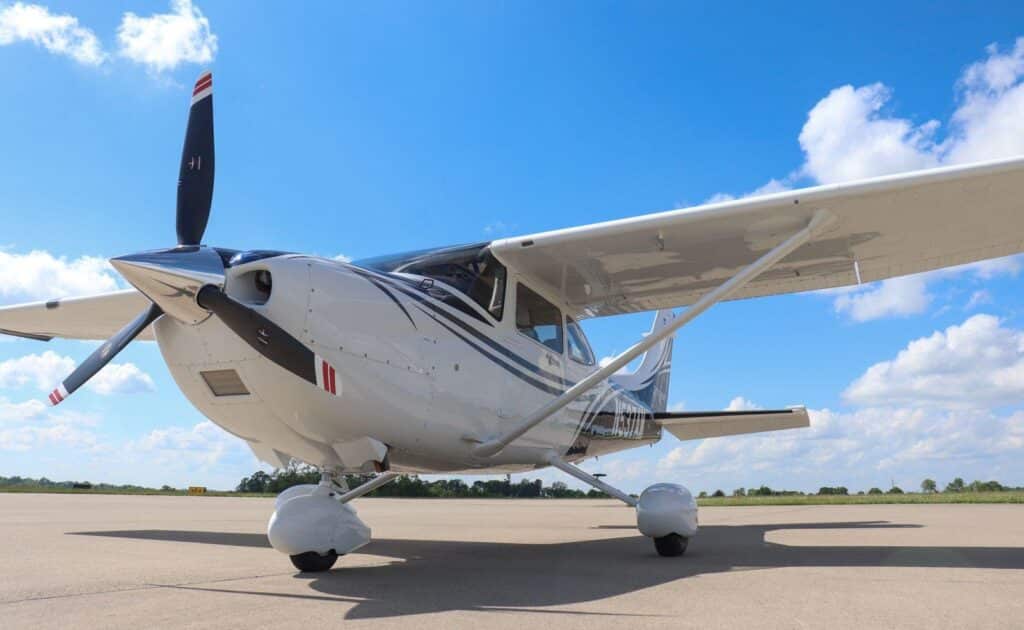
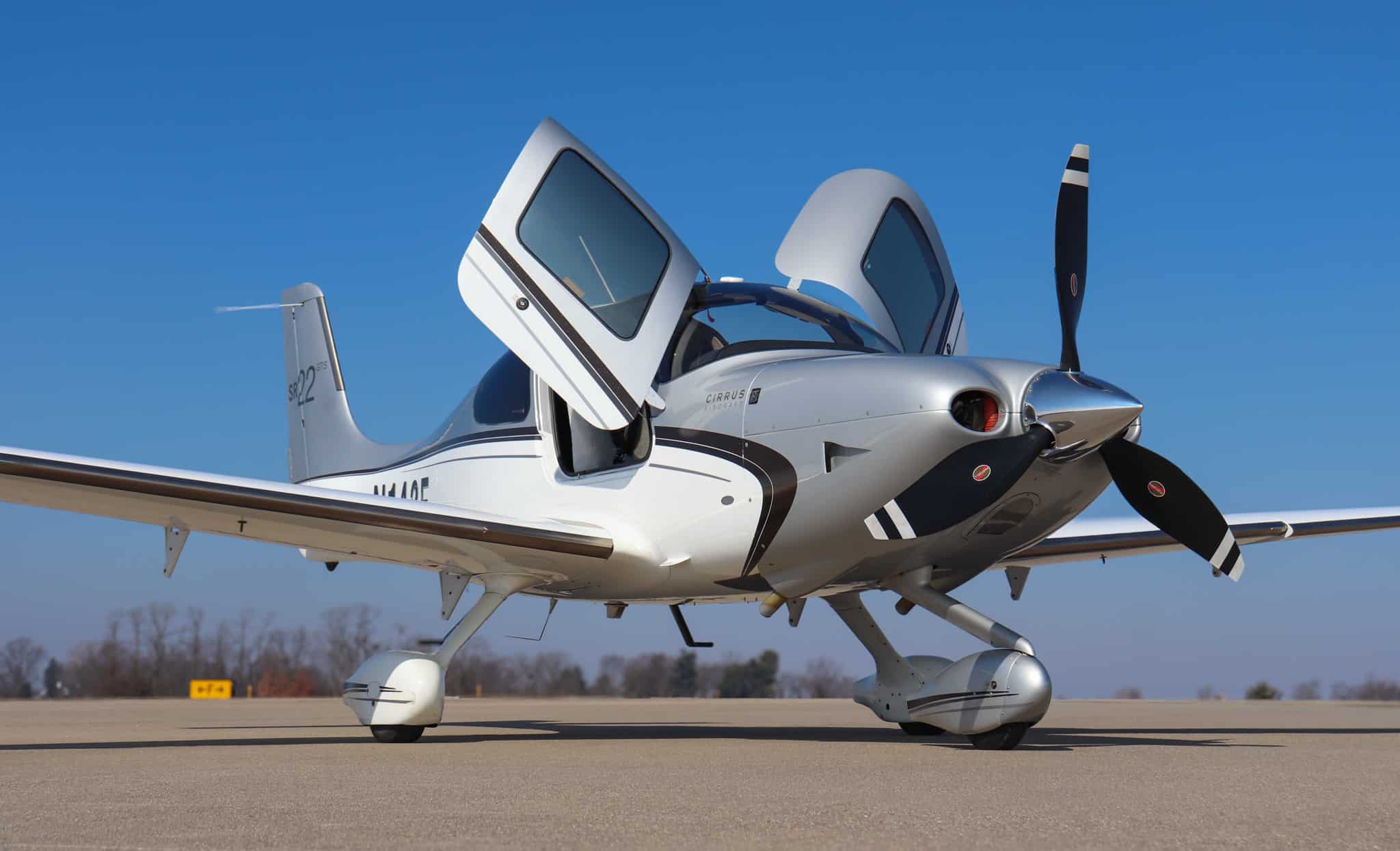
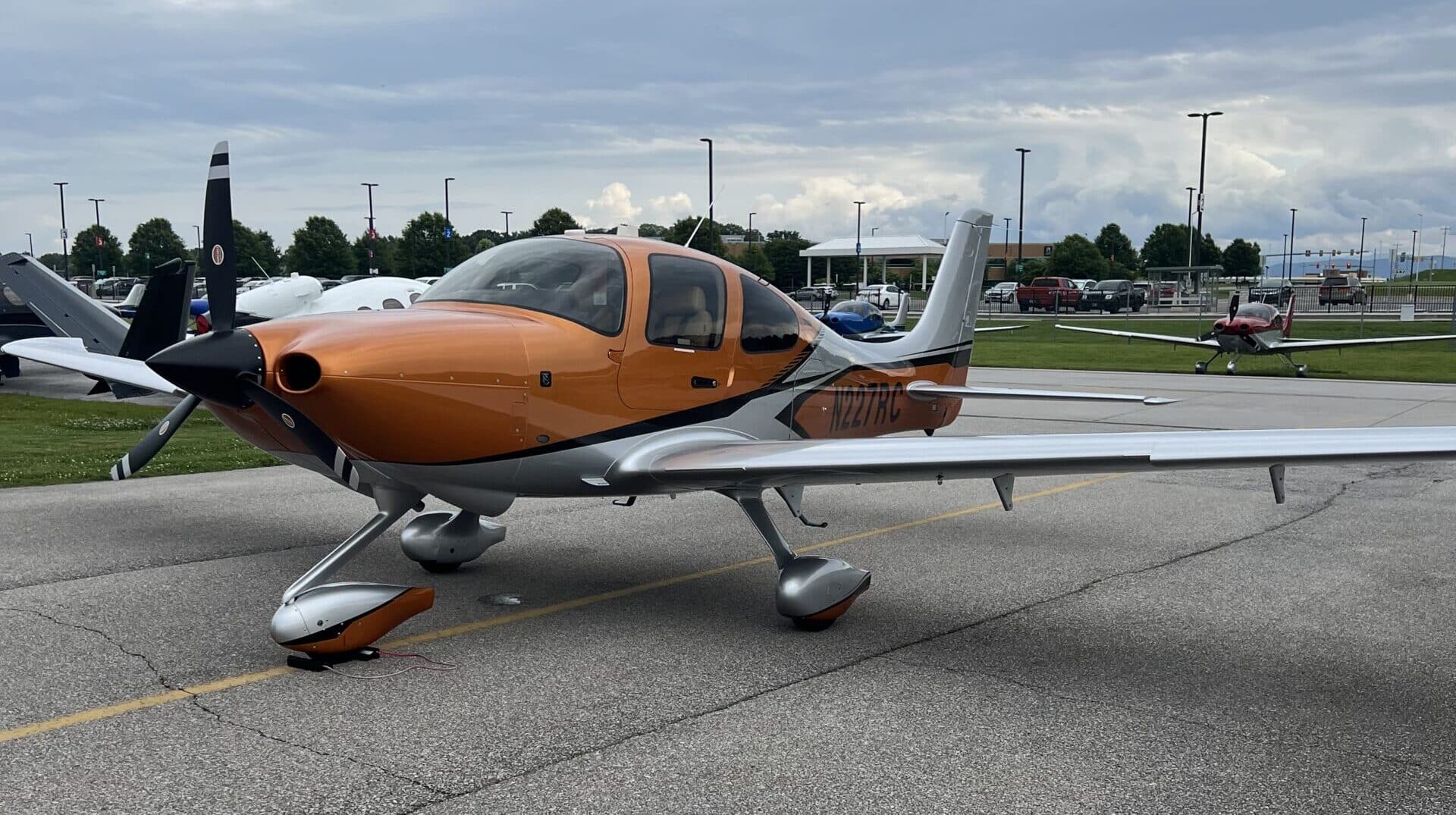
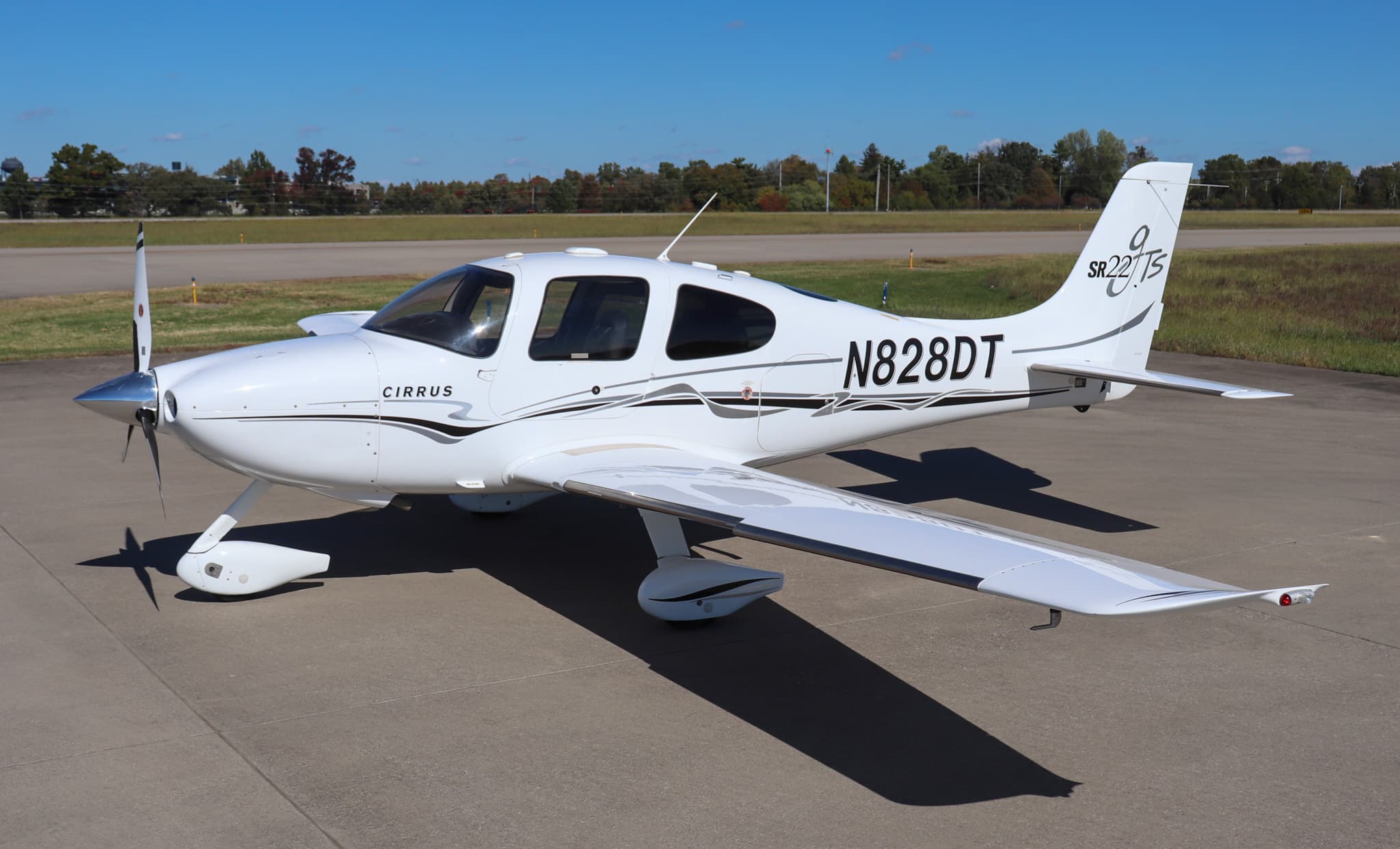
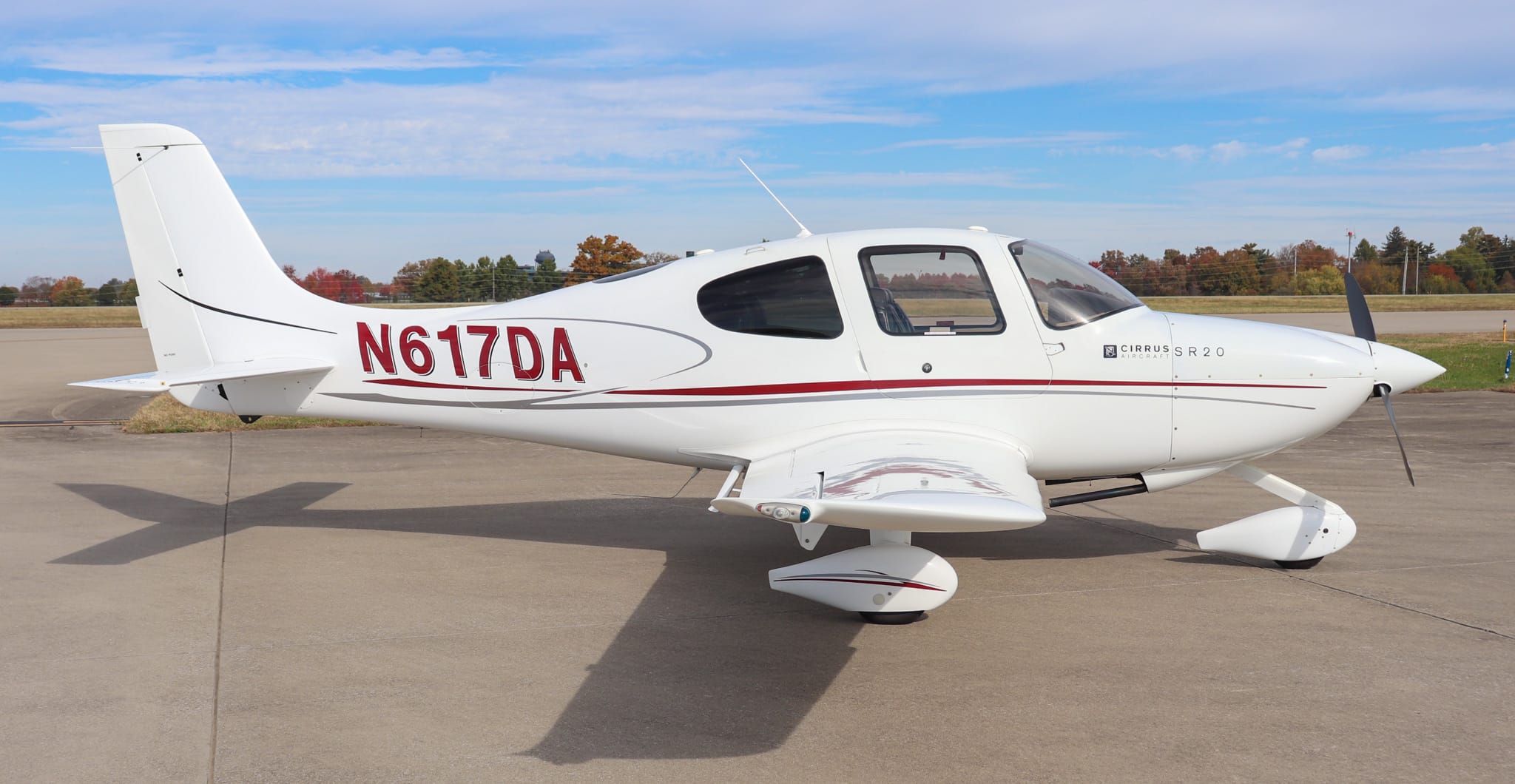
Buying your first aircraft should feel exhilarating, not intimidating. If you are ready to buy a small aircraft and want to do it without surprises, this guide distills the process into clear, practical steps—so you can move from browsing listings to taxiing your new plane with confidence. Airmart believes safety isn’t a checkbox; it’s a habit. The decisions you make early—what to buy, how to verify it, who to trust—shape your long-term experience and peace of mind.
Start with clarity: mission, budget, and timeline
Before you even look at listings, anchor your choices in your real-life flying patterns and constraints.
- Mission profile: Define typical flights—distances, passengers, runways, weather, and performance needs.
- Budget range: Separate acquisition from operating costs. Include reserves for maintenance, avionics updates, hangar, training, and insurance.
- Timeline: Set a realistic window for research, inspection, escrow, and delivery—often 6–10 weeks.
- Deal breakers: List non-negotiables (e.g., ADS-B out, IFR-capable, damage-free history, fresh annual).
A focused brief keeps you from overpaying for features you won’t use—or worse, underbuying performance you truly need. When you buy a small aircraft with a precise mission, the rest of the decisions get simpler.
Prepare to be safe: licensing, financing, and regulatory basics
Safety starts with readiness—yours and your aircraft’s.
- Licensing and training: Ensure you have the appropriate certificate and recent experience for the aircraft class and intended operations (e.g., tailwheel endorsement, complex/high-performance sign-offs).
- Financing options: Compare lender terms specialized in general aviation. Ask about aircraft age limits, avionics requirements, down payment norms, and pre-approval timelines.
- Insurance reality: Get quotes early. Premiums hinge on total time, recent training, aircraft type, hull value, and hangar arrangements.
- Regulatory compliance: Confirm required equipment (e.g., ADS-B), registration validity, airworthiness certificate, and whether any STCs are properly documented in the logs.
- Ownership structure: Consider LLC vs. personal ownership for liability and tax planning. Consult your advisor before you sign.
Proactively aligning these elements prevents last-minute delays and helps you buy small aircraft that you can actually fly, finance, insure, and maintain on day one.
Find the right aircraft: sources, records, and red flags
Smart sourcing and disciplined document review are the heart of safe buying.
- Where to look: Use trusted marketplaces and brokers. Airmart’s curated listings emphasize transparent histories, verified specs, and efficient coordination among buyers, sellers, and maintenance shops.
- Logbook discipline: Request complete logs (airframe, engine, prop). Look for continuity, legibility, and major events noted (overhauls, SB/AD compliance, major repairs).
- Avionics and mods: Verify STCs and field approvals match what’s installed. Cross-check transponder, GPS, and IFR certifications are current.
- Damage history: Damage isn’t a deal-breaker if repairs were done correctly with documentation, but undisclosed damage is. Treat gaps in logs as risk.
- Usage patterns: Part 91 personal use, flight school training, or commercial ops each imply different levels of wear and tear. Evaluate engine time since overhaul (TSO), cylinder history, and trend data.
When you buy a small aircraft, think like an auditor: the logbooks tell the story; your job is to see where the story doesn’t add up.
Evaluate safely: pre-purchase inspection, title check, and test flight
This phase protects you from the most expensive mistakes. Don’t shortcut it.
- Pre-purchase inspection (PPI): Commission a neutral shop experienced with the specific make/model. Include borescope of cylinders, compression tests, magneto timing, corrosion assessment, control rigging, landing gear integrity, fuel system leaks, and avionics functionality under load.
- Airworthiness directives (ADs): Get a current AD status report. Confirm that recurring ADs are addressed on schedule and that one-time ADs are fully resolved.
- Title and lien search: Verify registration, check for outstanding liens, and confirm the seller has the right to convey a clear title. Use an escrow service to hold funds until the title is verified.
- Test flight protocol: Fly with a qualified pilot/mechanic when possible. Evaluate engine temps, oil pressure stability, climb performance, control harmony, autopilot behavior, alternator and vacuum performance, and any abnormal vibrations.
- Oil analysis and trends: If available, review recent oil analysis and engine monitor data. Consistent metal levels and stable CHTs/EGTs suggest healthy operation.
If the PPI uncovers issues, you can renegotiate, require corrective work, or walk away. The safest way to buy a small aircraft is to be willing to say “no” when the facts don’t align.
Close with confidence: negotiation, escrow, and paperwork
A clean closing is as important as a clean inspection.
- Offer and contingencies: Put your offer in writing with clear contingencies—acceptable PPI results, clear title, completion of agreed repairs, and successful test flight.
- Price alignment: Base negotiations on verified discrepancies, upcoming maintenance (e.g., nearing TBO, aging hoses), avionics currency, and cosmetic condition. Use data, not emotion.
- Escrow flow: Wire funds to escrow, upload signed documents, and release only upon satisfaction of contingencies and title verification. Avoid direct-to-seller transfers.
- Bill of sale and registration: Ensure accuracy of serial numbers, N-number, and buyer/seller info. File registration promptly; carry temporary documentation if needed.
- Delivery logistics: Choose a maintenance-friendly airport, coordinate ferry pilots if required, and plan a thorough acceptance handover.
When you buy a small aircraft through Airmart, transaction orchestration is built in—inspection scheduling, escrow setup, and document management happen in lockstep so you never lose the thread.
Own smart: initial maintenance, training, and operating rhythm
Your first 90 days set the tone for safe, joyful ownership.
- Baseline maintenance: Replace aging rubber, perform a thorough fluids service, update filters, and correct minor snags noted during PPI. Create a maintenance timeline for the next 12 months.
- Avionics currency: Schedule pitot-static/altimeter tests (for IFR), update databases, validate autopilot tuning, and learn your panel’s failure modes.
- Type-specific training: Book transition training with an instructor who knows your aircraft. Emphasize abnormal/emergency procedures, energy management, and crosswind landings.
- Operating economics: Track fuel burn, maintenance reserves, tie-down/hangar costs, and insurance. Adjust your flying cadence to maintain high proficiency without overshooting your budget.
- Community and support: Join owner groups, type clubs, and local maintenance networks. Shared knowledge prevents repeat mistakes and keeps you up to date on SBs and best practices.
To buy small aircraft safely is to keep investing in knowledge, discipline, and community—long after the ink dries.
Step-by-step checklist to keep you safe
Use this concise run-through to maintain momentum and avoid omissions.
- Define mission: Distances, load, runway types, IFR needs.
- Set budget: Acquisition, reserves, training, insurance, hangar.
- Confirm readiness: Certificates, endorsements, medicals, and recent experience.
- Pre-qualify financing: Get terms aligned with your target model/age.
- Explore sources: Shortlist reputable listings and brokers, such as Airmart.
- Request documents: Complete logs, AD/SB compliance, STCs, registration.
- Screen candidates: Damage history, usage, avionics status, maintenance rhythm.
- Schedule PPI: Independent shop; borescope, compression, corrosion, rigging.
- Run title search: Verify liens and registration; engage escrow early.
- Test fly: Evaluate the system’s behavior; validate performance and handling.
- Negotiate: Price based on findings; set clear contingencies.
- Close and deliver: Escrow release, bill of sale, registration, acceptance.
- Day-one actions: Baseline maintenance, avionics checks, transition training.
- Establish routines: Proficiency flying, maintenance planning, and owner community.
Why choose AirMart for a safer purchase?
- Curated listings: Verified aircraft histories and transparent documentation save you time and reduce risk.
- Inspection coordination: We help you select neutral, type-savvy shops and streamline PPI logistics.
- Title and escrow support: Smooth, secure closings with clear, audited paperwork.
- Buyer advocacy: Data-driven negotiations anchored in inspection findings and market realities.
- Ongoing partnership: Post-sale guidance on maintenance, training, and ownership best practices.
When you buy a small aircraft, you deserve a process that’s as precise as aviation itself. Airmart makes it straightforward, accountable, and human—so your first flight feels like the beginning of a long, safe story.
Ready to take the next step?
If you are preparing to buy a small aircraft and want a partner who puts safety first, Airmart can help you define your mission, shortlist the right models, coordinate inspections, and close cleanly. Tell us your mission profile and timeline, and we will map your route from “interested” to “owner.” Contact AirMart today to get started!
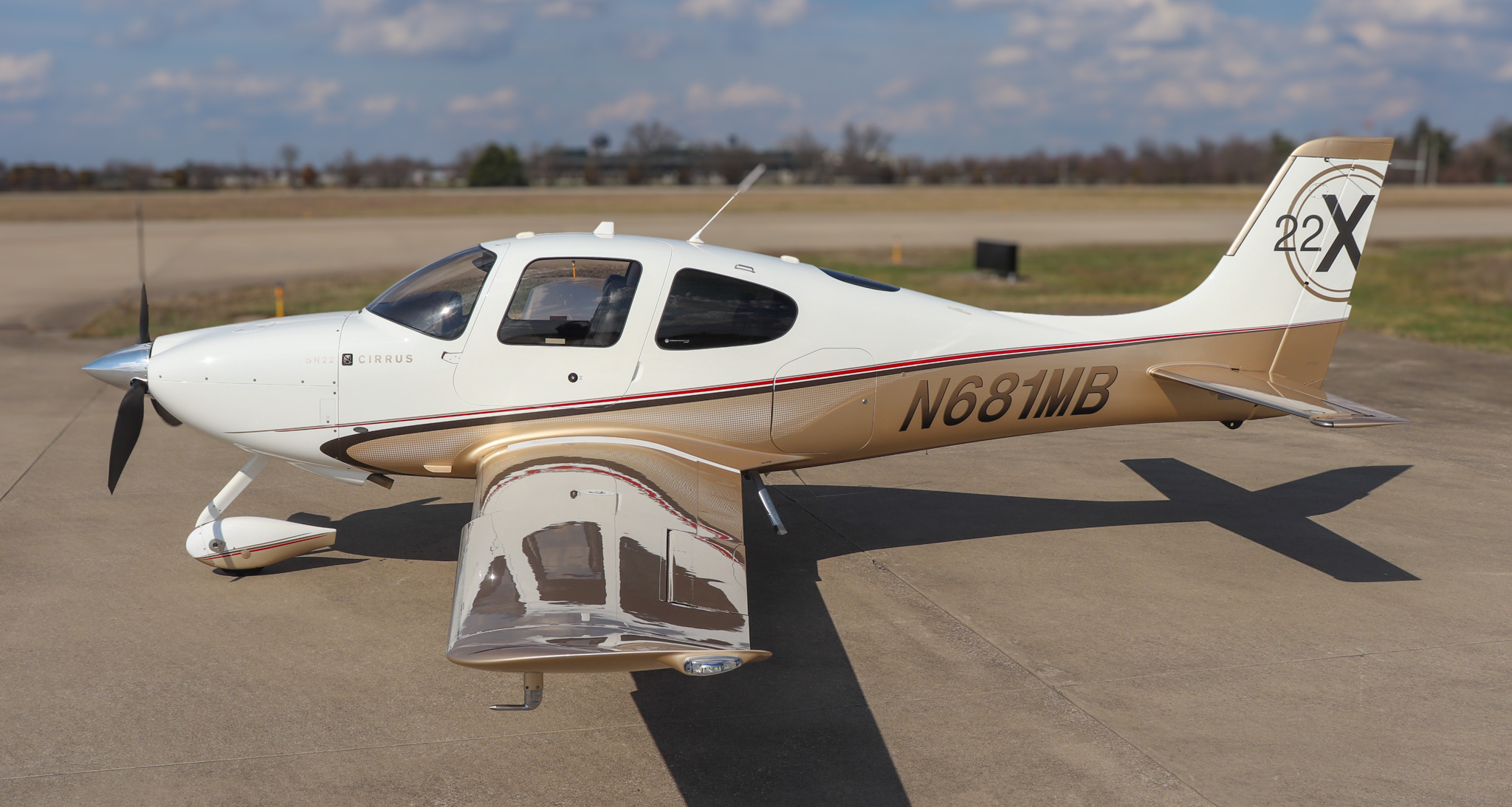
Checkout Cirrus Aircraft